Wasting water is more damaging to the environment than many realize. In the US, each American uses an average of uses an average of 82 gallons of water a day and a portion of that is simply wasted. Much of our supply comes from reservoirs, lakes, rivers or water under the ground, which many think of as an infinite resource.
In January 2025, the U.S. Geological Survey released the National Water Availability Assessment which highlighted that “nearly 30 million people live in areas where available surface-water supplies are limited relative to water use, indicating a high level of water limitation.”
These pressures highlight why sustainable design and intentional water use matter more than ever. Preventing water waste isn’t just about conservation—it’s about rethinking how our spaces function, from everyday behaviors to the technologies that help ensure every drop is used wisely.
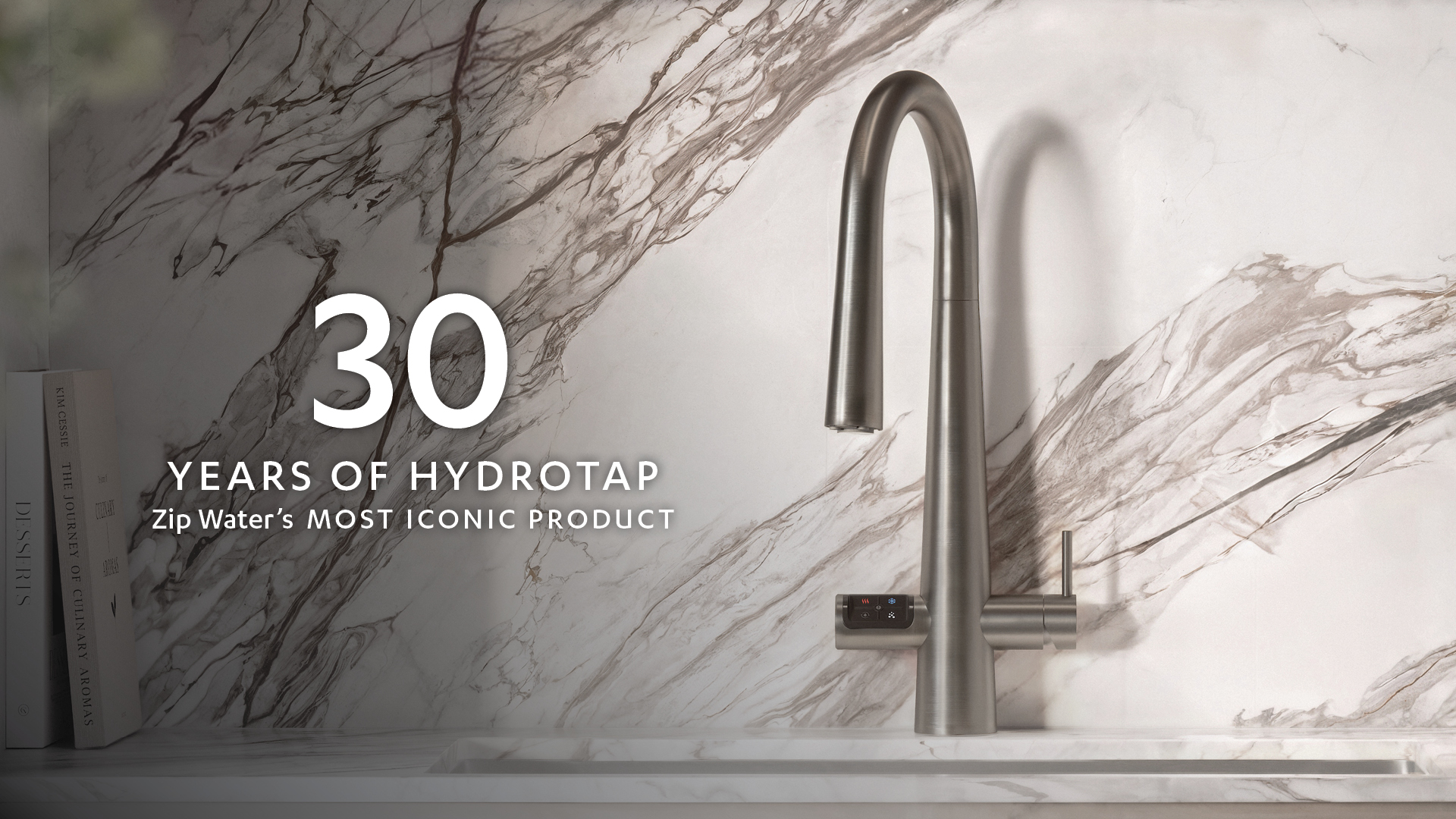
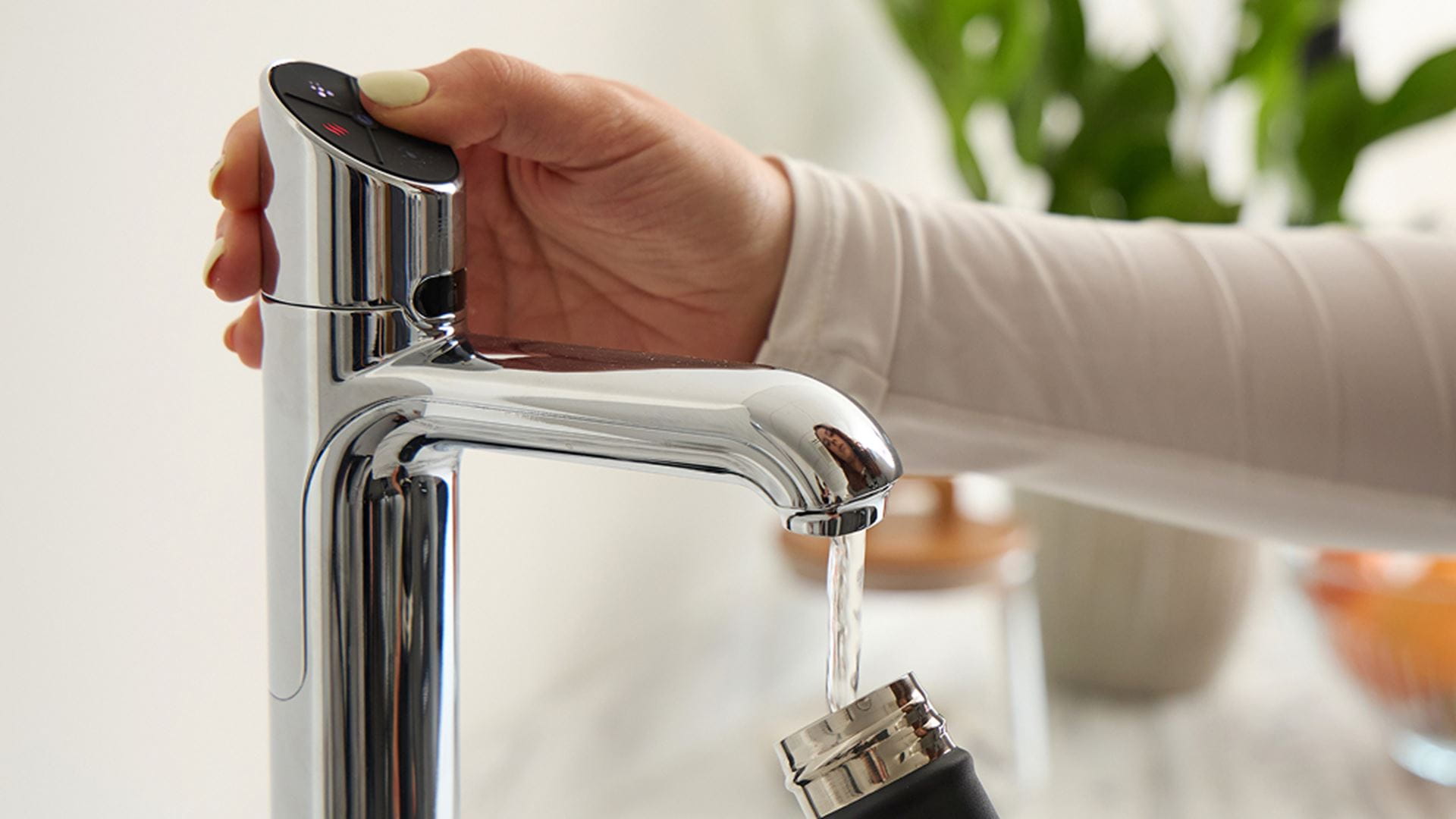
At Zip Water, we’re committed to solutions that support this shift. The HydroTap is 100% water‑efficient, providing instant access to filtered boiling, chilled, and sparkling drinking water without wasting any during the cooling process—helping homes and workplaces design more sustainably, one smart choice at a time.
How much water is wasted in the US?
According to Environmental Protection Agency (EPA), it’s estimated that the average family wastes 180 gallons of water each week out of the estimated 250 million gallons of water that is used as public supply in the continental U.S.
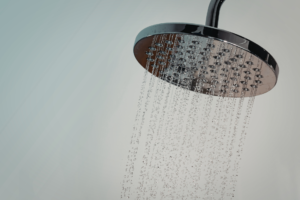
The most common sources of water waste come from unnoticed leaks in common appliances like dishwashers, showers or faucets. Even without leaks, everyday water use can be surprisingly inefficient. The EPA reports that the typical shower lasts around eight minutes, and with most showerheads flowing at about 2.1 gallons per minute, a single shower can easily use more than 16 gallons of water. Multiply that across the country, and showering alone accounts for over one trillion gallons of water used each year — a staggering reminder of how everyday rituals shape our collective impact.
Why is wasting water bad?
While the financial burden of wasted water is more readily felt by households and businesses, the environmental consequences of wasting our world’s water resources are far more significant.
Water is one of the planet’s most scarce resources, and excessive use places added pressure on natural systems. This strain disrupts ecosystems, threatens food production, and contributes to pollution. Over time, these impacts also accelerate climate change.
How can we use water efficiently and reduce water wastage?
So, what actionable steps can we make to save water and improve our carbon footprint in the process?
Using less water is easier than you think – it starts with simple, daily habits. For example, choosing eco-friendly settings on your dishwasher or turning the tap off while lathering your hands with soap. These seemingly small changes will not only lower your water bill but also help combat water scarcity by promoting more sustainable water use.
How considered design reduces water waste:
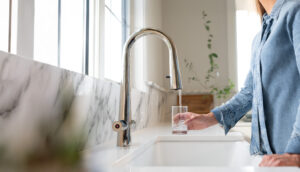
Installing an intelligent drinking water system–like the HydroTap–is one of the most effective ways to reduce water waste, dispensing only the exact amount needed.
Many traditional under counter chillers and filters release wastewater during cooling or purification. HydroTap’s air cooled technology avoids this entirely, delivering chilled water without using or discharging any wastewater.
Designing your space with water efficiency at the forefront brings both intention and reassurance. The HydroTap’s .
Thoughtful design tips:
- Specify WELL- and WaterSense products to ensure water efficiency and performance are built into your space.
- WELL upholds rigorous criteria for water quality and performance, while WaterSense products are independently verified to use less water without compromising function.
- Choose intelligent, air cooled drinking water systems that eliminate wastewater and deliver only what’s needed.
- Select high efficiency fixtures that regulate flow and reduce unnecessary use.
- Design for durability and visibility so leaks can be detected and addressed before they waste water.
At Zip, we believe sustainability should feel effortless. Replacing inefficient products with IWBI WELL–certified solutions help reduce water use, lower your carbon footprint, and make intentional use of every drop.